Business License

Application of Potassium Silicate in Silicon Fertilizers & Its Advantages for Silicon Fertilizer Pro
Application of Potassium Silicate in Silicon Fertilizers & Its Advantages for Silicon Fertilizer Production
Abstract: With the popularization of concepts including green agriculture and quality‑improving & stress‑resistant planting, water‑soluble silicon fertilizers are gaining wider application. As a high‑quality raw material for silicon fertilizers, potassium silicate supplies both available silicon and potassium nutrients. Different from traditional silicon sources such as sodium silicate and silicon‑calcium‑magnesium, it delivers outstanding performance in foliar spraying, water‑fertilizer integration and soil improvement, and has become a mainstream raw material for liquid silicon fertilizers.
Against the backdrop of soil acidification, frequent soil‑borne diseases and recurring extreme weather, more and more growers have begun to attach importance to silicon fertilizer application. Though silicon is not an essential nutrient for plants, it is a highly beneficial element for crops. It strengthens cell walls, improves crop stress resistance, enhances fruit quality and stabilizes or increases yields.
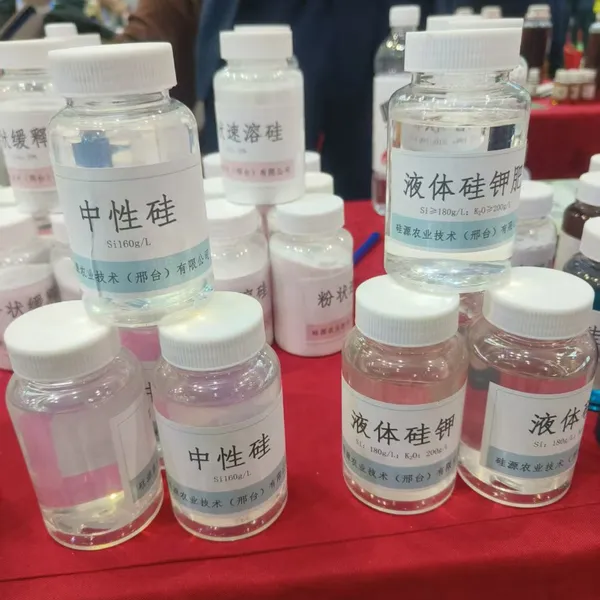
There is a wide range of raw materials for silicon fertilizers on the market, including silicon‑calcium‑magnesium, sodium silicate, potassium silicate and modified monosilicic acid. Among them, potassium silicate is increasingly adopted by fertilizer manufacturers as the core raw material for liquid silicon fertilizers, thanks to its dual‑nutrient supply and freedom from sodium‑ion hazards as well as excellent water solubility.
1. Practical Application Scenarios of Potassium Silicate in Silicon Fertilizers
Potassium silicate is available in liquid and solid forms. Liquid potassium silicate is the dominant type used in agriculture, mainly applied in three ways:
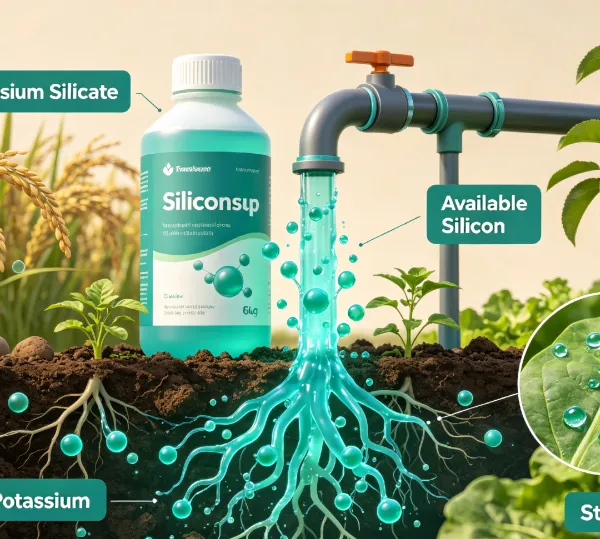
Foliar spraying: After dilution, it is sprayed on leaves. Absorbed silicon deposits on epidermal cell walls to form a silicon‑rich protective layer, mitigating infestation by powdery mildew, downy mildew, mites and other pests and diseases. It also improves leaf tolerance to high temperature and drought. It is widely used for fruit trees, vegetables, strawberries, oil palms, rice and other crops.
Drip irrigation and water‑fertilizer integrated fertigation: Fully soluble in water, it can be applied through drip or sprinkler irrigation systems. Crops absorb monosilicic acid via roots while taking up potassium nutrients, which is ideal for large‑scale planting bases.
Soil conditioning and improvement: It can passivate partial aluminum ions in acidified soil to reduce aluminum toxicity, optimize soil micro‑environment and support root development.
Note: Stock potassium silicate solution is strongly alkaline. When producing silicon fertilizers, manufacturers shall properly adjust pH value and strictly control application concentration to avoid leaf or root burn caused by excessive concentration.
2. Core Advantages of Producing Silicon Fertilizers with Potassium Silicate
2.1 Dual‑effect formula: supplying available silicon and potassium simultaneously
Upon hydrolysis, potassium silicate releases plant‑available monosilicic acid and potassium ions. Silicon reinforces crop cell walls, while potassium participates in photosynthesis, sugar transport, fruit expansion and coloration. One fertilizer delivers both silicon and potassium, simplifying formula design and cutting fertilization costs for growers.
2.2 Sodium‑free, avoiding soil salinization risks
Many low‑cost silicon sources adopt sodium silicate. Despite high available silicon content, sodium silicate introduces large amounts of sodium ions. Long‑term continuous application causes sodium accumulation in soil, aggravating salt damage, destroying soil aggregate structure and harming root systems; it is not suitable for saline‑alkali land.
Potassium silicate releases potassium, a major element for crops, without sodium accumulation. It can be used continuously in open‑field farmland and greenhouses, making it safer for protected agriculture and high‑value cash crop bases.
2.3 Excellent water solubility, compatible with modern water‑fertilizer integration
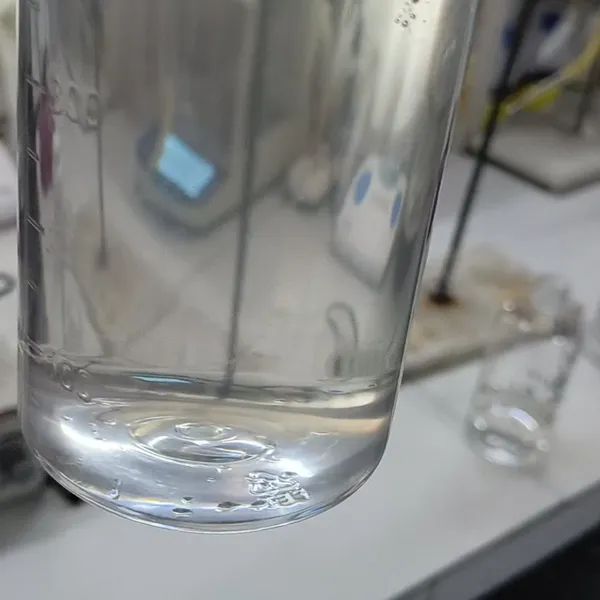
High‑quality liquid potassium silicate features good solubility and low impurity content. It rarely generates precipitates that may block drip‑irrigation nozzles, and fits mainstream modern agricultural modes including drip irrigation, sprinkler irrigation and foliar spraying.
In comparison, silicon‑calcium‑magnesium is mostly solid granular citrate‑soluble silicon fertilizer. It is only suitable for soil base application and hardly usable for foliar fertilization, limiting its application scenarios.
2.4 Intuitive stress‑resistance and quality‑boosting effects for various crops
After absorbing silicon, crops develop lignified and silicified cell walls for stronger stems and lodging resistance. The physical barrier on leaf surfaces reduces infection risks of fungal diseases and pests. It also regulates stomatal movement to boost drought, cold and dry‑hot‑wind tolerance.
For fruit and melon crops, it improves fruit firmness, reduces fruit cracking and enhances storability and marketable rate. For field crops such as rice and wheat, it strengthens lodging resistance and alleviates rice blast and other diseases. For cash crops like oil palm and sugarcane, it promotes sturdy stalks and supports yield increase.
2.5 Stable raw‑material properties for convenient fertilizer processing and compounding
Qualified industrial‑grade liquid potassium silicate has stable modulus with controllable available silicon and potassium oxide indicators. Fertilizer plants can directly prepare liquid silicon fertilizers with simple processing procedures.
Attention: Potassium silicate is strongly alkaline. It shall not be directly mixed with acidic phosphate fertilizers or high‑concentration calcium‑magnesium fertilizers. Compatibility tests shall be completed at the formula development stage to prevent flocculation, precipitation and performance failure.
3. Drawbacks & Notes of Potassium‑Silicate‑Based Silicon Fertilizers Compared with Other Silicon Sources
Higher cost than sodium silicate, leading to higher finished‑product prices, so it is more suitable for high‑value cash crops pursuing quality improvement.
High pH of stock solution. Undiluted stock solution cannot be applied directly; formula optimization and concentration control are required in fertilizer production.
Random mixing with acidic fertilizers is prohibited for both production and end‑user application.
4. Conclusion
Potassium silicate is a high‑performance raw material for liquid silicon fertilizers. It solves the soil‑salinization pain point caused by sodium silicate. With dual silicon‑potassium nutrition and compatibility with foliar spraying and drip‑irrigation fertigation, it conforms to the industry trend of green planting and fertilizer‑reduction & efficiency‑increase.
Fertilizer enterprises shall focus on indicators including modulus, available silicon, potassium oxide and impurity content when selecting potassium silicate raw materials. With proper formula compatibility tests, stable agricultural silicon‑fertilizer products can be produced.
Tip: Silicon fertilizer is a conditioning functional fertilizer for yield‑increasing and quality‑improving purposes. It cannot completely replace basic nitrogen‑phosphorus‑potassium compound fertilizers and shall be applied together with conventional fertilization programs
E-mail:shilongchao93@gmail.com
W.S :+8613373398751

Contact Us
Recommended Products
-
 High Purity Solid Sodium SilicateNegotiableMOQ: 1 Metric Ton
-
High Purity Solid Potassium SilicateNegotiableMOQ: 10 Metric Tons
-
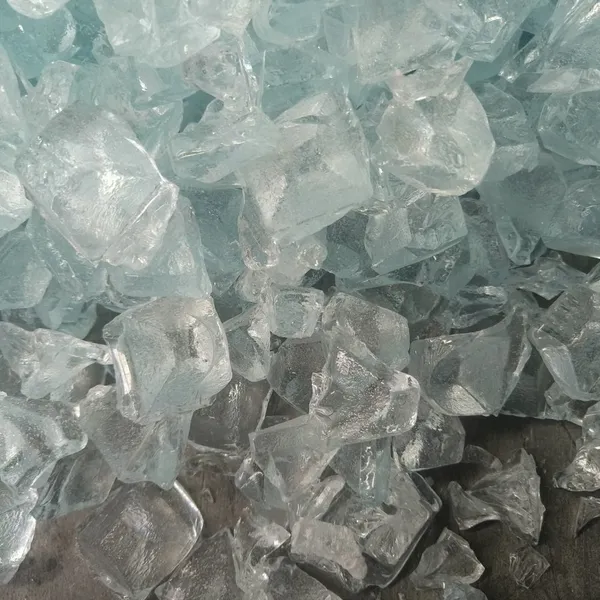
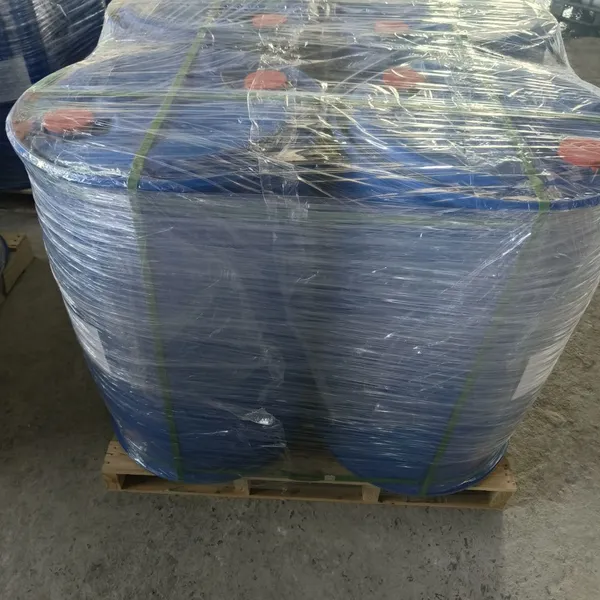
High Transparency and High Quality Liquid Potassium SilicateUS$ 1000 - 1100MOQ: 10 Metric Tons
-
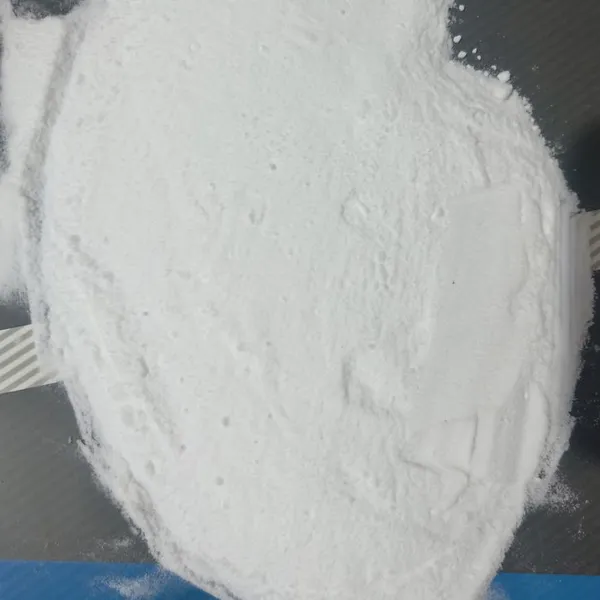
Powdered Potassium SilicateUS$ 1100 - 1500MOQ: 1 Metric Ton
-
Sodium Silicate LiquidUS$ 190 - 210MOQ: 10 Metric Tons



-
Potassium Silicate for Agricultural FertilizersNegotiableMOQ: 1 Metric Ton
-
Potassium Silicate for Acid-resistant and Anti-corrosion EngineeringNegotiableMOQ: 1 Metric Ton
-
Potassium Silicate for Agricultural FertilizersNegotiableMOQ: 1 Metric Ton
-
Potassium Silicate for Building MaterialsNegotiableMOQ: 1 Metric Ton
-
Potassium SilicateUS$ 550 - 600MOQ: 10 Metric Tons
-
Silicon Fertilizer Powdered Silicon Fertilizer Liquid Silicon FertilizerUS$ 1500 - 3000MOQ: 10 Metric Tons
-
Sodium Silicate Powder is Suitable for Export, With Fast Agricultural Dissolution Rate and no Impurities,NegotiableMOQ: 1 Metric Ton
-
Potassium Silicate Powdered Potassium Silicate Fast Dissolution Speed No Impurities Suitable for Export and Agricultural UseNegotiableMOQ: 1 Metric Ton